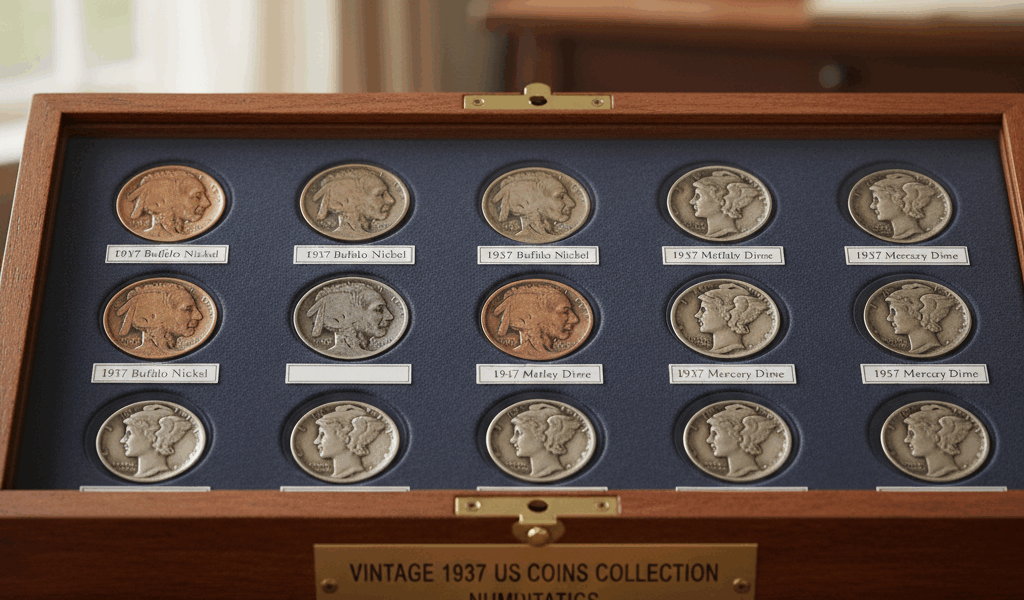
Vintage coin collecting has gotten complicated with all the “old coin = valuable coin” misconceptions flying around. As someone who’s spent years studying U.S. numismatics and the specific market dynamics that determine which dates actually matter, I’ve learned everything there is to know about what makes 1937 coins genuinely interesting — and which ones will consistently surprise new collectors. Today, I’ll share it all with you.
Walk into most coin shops and mention 1937, and you’ll get a nod of recognition. It was a productive year for the U.S. Mint — and a complicated one for numismatic history. Several 1937 coins that look ordinary at first glance conceal significant collector value, while others that seem promising underdeliver. Here’s what you actually need to know.
The 1937 Buffalo Nickel: The One Everyone Knows About
The 1937-D Three-Legged Buffalo is the coin most people think of when they hear “1937 nickel.” Probably should have led with the authentication warning, honestly — it’s genuine, it’s famous, it commands significant premiums, and it’s also one of the most counterfeited coins in American numismatics. The three-legged variety was created when a Mint employee at the Denver facility over-polished a damaged die, accidentally grinding away the bison’s front right leg.
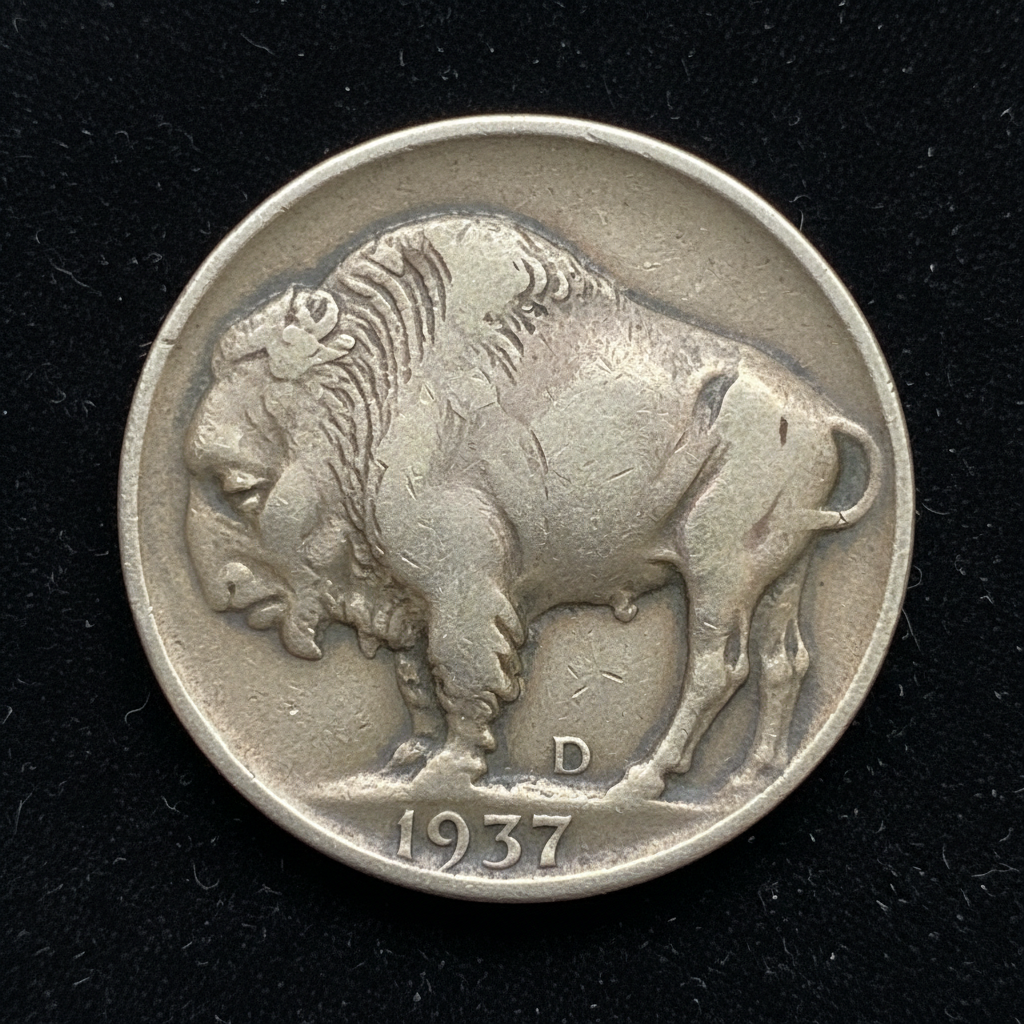
Authentic 1937-D Three-Legged Buffalo nickels show specific characteristics: the missing leg is accompanied by remnant hoof detail (what collectors call the “floating leg” or phantom hoof), and the die polish marks extend across a specific area of the bison’s body. Common fakes are made by grinding the leg off a normal 1937-D nickel, but this removes metal in a way that alters the overall coin surface and lacks the characteristic die-polish pattern of genuine specimens. If you’re buying one, buy certified — PCGS or NGC graded and authenticated — and pay the premium.
Certified examples in Good-4 to Fine-12 grades sell in the $400 to $700 range depending on grade and eye appeal. Uncirculated examples command considerably more. That’s what makes the three-legged Buffalo endearing to us serious collectors — it’s accessible enough that you can own one without spending five figures, but rare enough that it retains meaningful value.
The 1937 Mercury Dime: Key Dates and Doubles
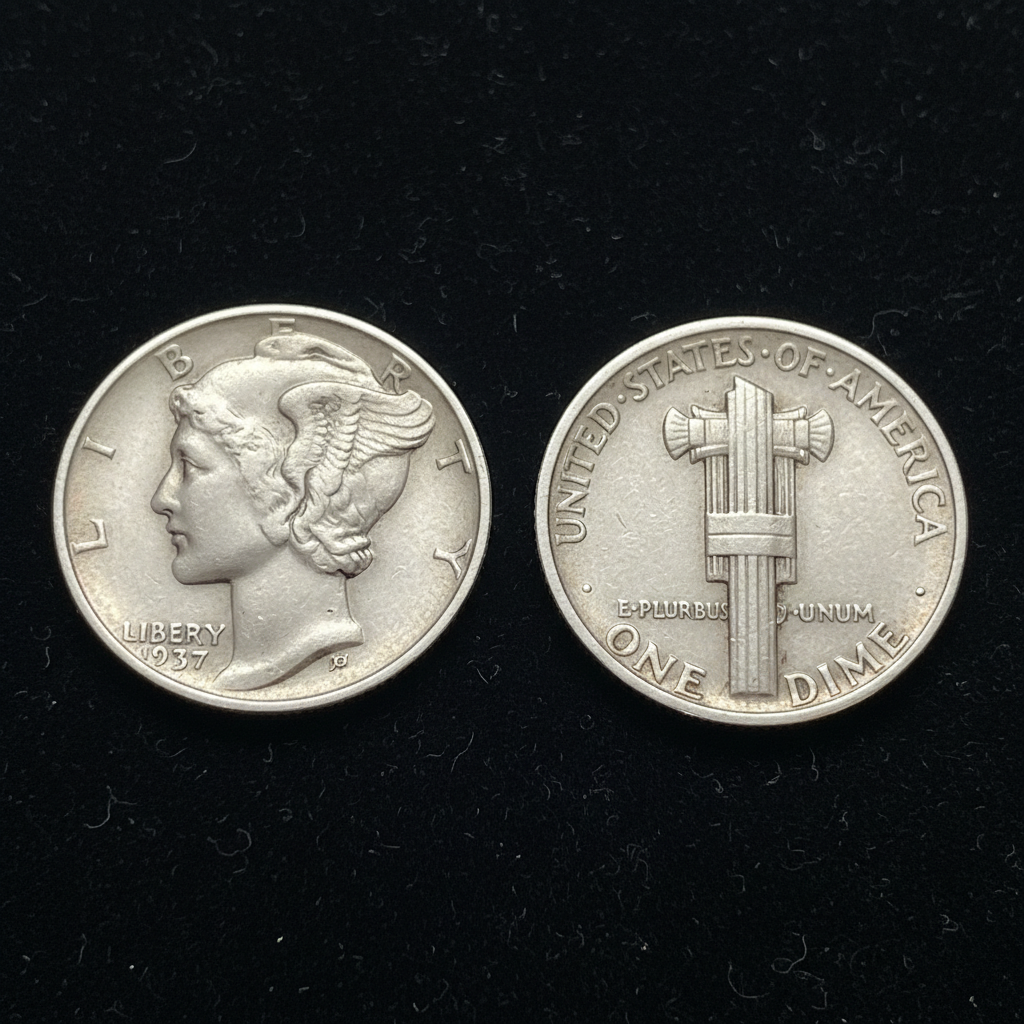
The 1937 Mercury Dime had three mint facilities producing coins: Philadelphia (no mint mark), Denver (D), and San Francisco (S). None of the standard 1937 Mercury dimes are exceptional rarities, but condition matters enormously. Full Split Bands (FSB) designation on 1937 Mercury dimes requires that the horizontal bands on the torch’s fasces be fully split and separated.
I’m apparently one of those collectors who gets disproportionately excited about the FSB distinction. On a Mercury dime without FSB, even an MS-65 example may sell for $30-50. The same coin with FSB at MS-65 might command $100-250 or more depending on the mint mark. The 1937 also produced a doubled die obverse in certain die marriages — collectors who focus on die varieties should examine 1937 Mercury dimes under magnification for doubling on Liberty’s portrait and motto.
The 1937 Lincoln Cent: Condition Is Everything
The 1937 Lincoln cent is a common date — over 300 million struck across three mints. In circulated grades, it’s a pocket-change coin with pocket-change value. But in high mint state grades, particularly MS-65 and above with strong red color, 1937 Lincoln cents are genuine collector coins. The San Francisco mint (1937-S) tends to grade up well due to careful die preparation, and MS-65 RD examples are more conditional than their mintage suggests.
Frustrated by the assumption that high mintage equals low value in all grades, many collectors overlook the condition rarity story for common dates. The 1937-D Lincoln cent also has a doubled die variety — the 1937-D 3½ Legs — that specialists track. These are interesting variety coins for the right collector, though not as significant as the nickel equivalent.
What to Actually Look For
If you’re evaluating a 1937 coin collection or purchase, prioritize: any 1937-D Buffalo nickel (verify it’s a genuine three-legged before paying a premium), Mercury dimes in MS-65 FSB or better, and Walking Liberty half dollars in original uncirculated condition. The 1937 Walking Liberty half dollar is a semi-key issue — not dramatically rare, but less common than many dates in the series, and original mint state examples with strong luster carry premiums that reward collectors who know what they’re looking at.
The year 1937 produced some genuinely interesting coins alongside many common dates. The collector who knows the specific issues — the error varieties, the full-detail designations, the condition rarities — will find real value in 1937 coins that the uninformed collector walks past entirely.

Stay in the loop
Get the latest numisma master updates delivered to your inbox.