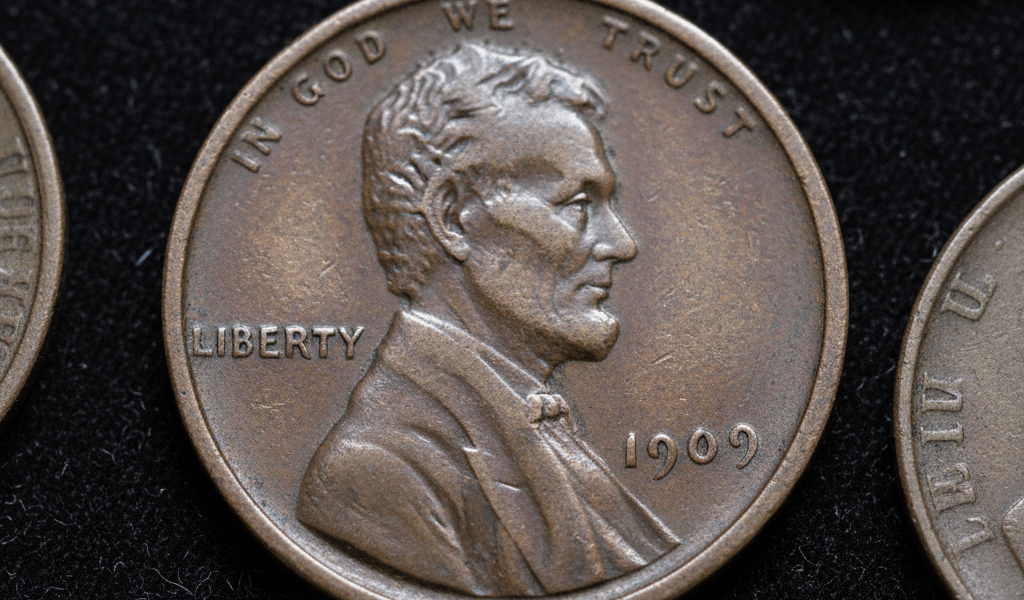
The Lincoln penny has gotten complicated with all the “check your change for hidden treasures” content flying around. As someone who’s spent years studying U.S. numismatics and the specific history of the Lincoln cent series, I’ve learned everything there is to know about why the 1909-S VDB earns its reputation — and why collectors have been fighting over it for a century and won’t stop any time soon. Today, I’ll share it all with you.
Few coins in American numismatics carry the weight of the 1909 Lincoln cent. It’s not just old — it’s the beginning of a design that has now run for over 115 years, the longest-running design on any regularly issued American coin. The 1909-S VDB is one of the most famous coins in American numismatics, the subject of more disputes, controversies, and collector obsessions than almost any other coin from the twentieth century.
The VDB Controversy
Victor David Brenner designed the Lincoln cent. He was a medalist and sculptor who had previously designed a medal depicting Lincoln from a photograph taken in 1864. When President Theodore Roosevelt commissioned a new cent design to commemorate Lincoln’s centennial, Brenner was a natural choice. His portrait of Lincoln — based on a photo by Mathew Brady — is striking in a way that most coin portraits are not. It has the quality of a good work of art rather than a functional symbol. That’s what makes the 1909 cent endearing to us who study coinage design — it’s one of the few cases where genuine artistry found its way onto a circulating coin.
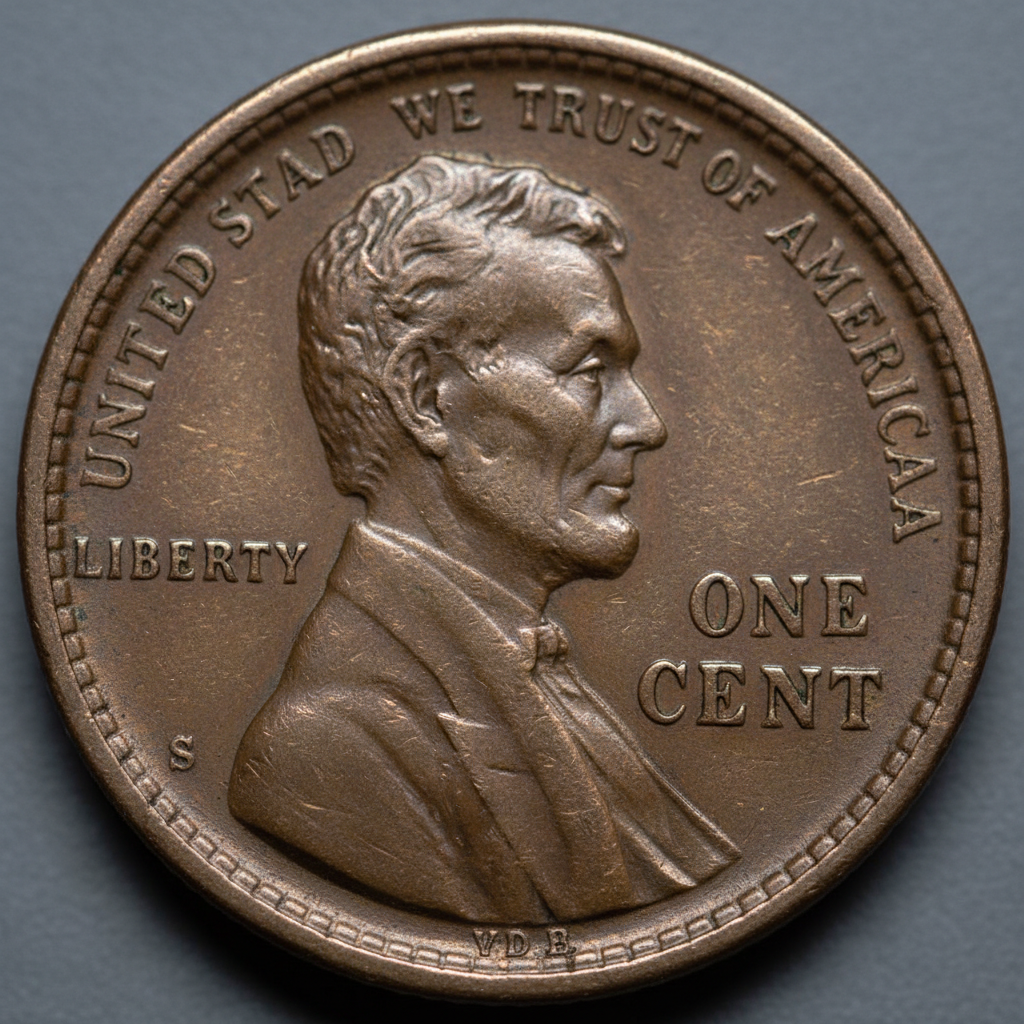
Brenner placed his initials — VDB — prominently on the reverse of the coin, in large letters at the bottom of the design. The Philadelphia Mint struck approximately 27.5 million VDB cents before the public and officials objected that the designer’s initials were too large and too prominent. The Mint stopped production and removed the VDB initials. The San Francisco Mint had already struck 484,000 cents with the VDB initials before stopping; the Philadelphia Mint had struck far more but because its coins carried no mint mark, the San Francisco VDB coins became identifiable and significant.
Probably should have led with the 484,000 number, honestly — it sounds like a lot. In numismatic terms, for a coin that was simultaneously new, controversial, and immediately recognized as potentially collectible, it’s not. Many were immediately set aside by collectors who understood what the controversy meant for long-term rarity. Many were spent into circulation and suffered the wear that comes with decades of use.
What the 1909-S VDB Is Worth
In Good-4 condition — heavily worn but clearly identifiable — the 1909-S VDB sells for approximately $700-800. In Fine-12, with moderate wear and clear details, prices typically run $1,000-1,200. VF-20 and better examples command $1,400 to $2,000. Mint state coins — those that never circulated — start around $1,800 for MS-60 and escalate significantly through the grade range. MS-65 Red examples sell for $10,000 or more at major auction houses. The top-graded examples have sold for well over $100,000.
The coin has held value for over a century because it combines genuine historical significance, limited supply, and widespread recognition. Every Lincoln cent collector needs it for a complete set. I’m apparently one of the few people who prioritizes this coin specifically over key dates in other series — the demand base is broad enough that the market is liquid regardless of economic conditions.
Fakes and Authentication
The 1909-S VDB is extensively counterfeited. The three most common methods: adding an S mint mark to a genuine 1909 VDB Philadelphia cent, adding VDB initials to a genuine 1909-S cent without the initials, and altering a 1909-S cent to create the appearance of the VDB design. Frustrated by the authentication process, some collectors simply avoid uncertified specimens entirely — and that’s the correct approach for any specimen above $200.
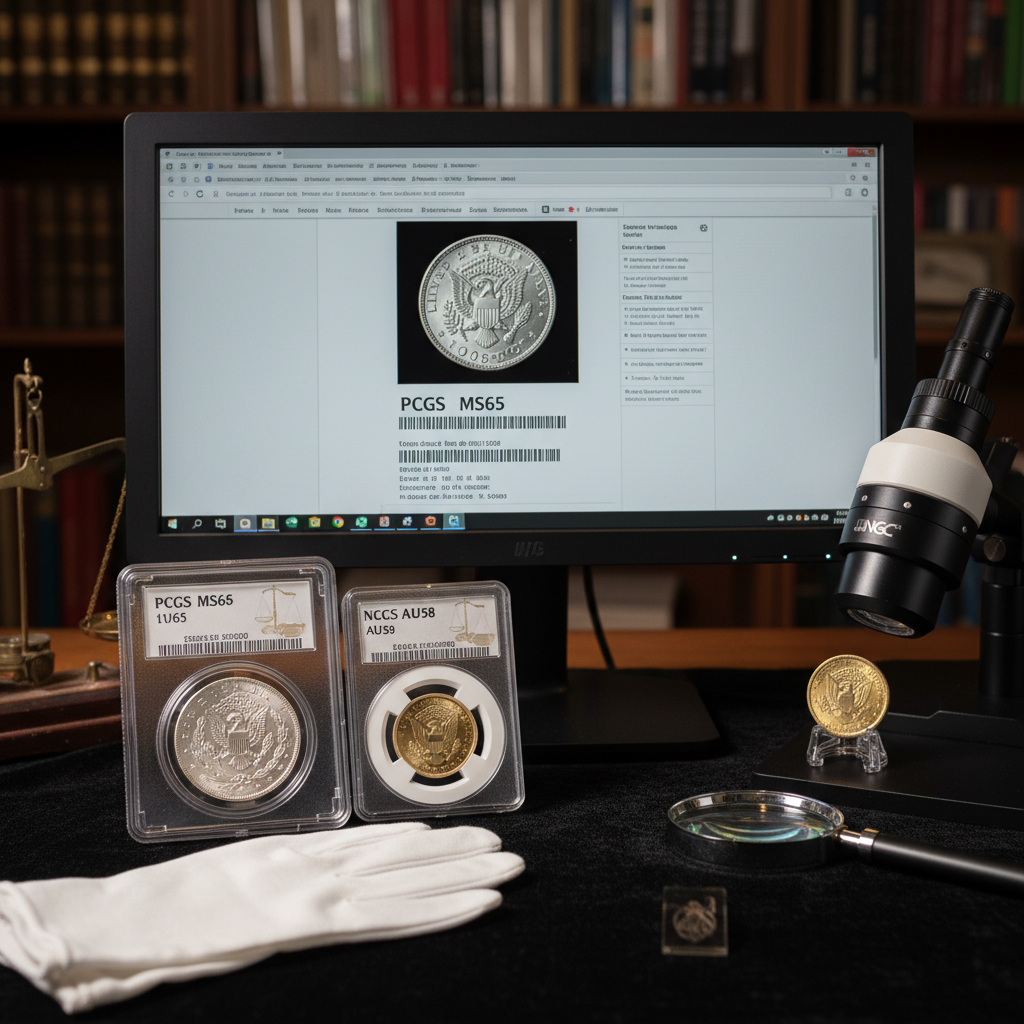
PCGS and NGC certified examples are authenticated by specialists using comparison with known genuine coins and, in some cases, digital analysis of mint mark characteristics. For any 1909-S VDB purchase above $200, third-party certification from PCGS or NGC is not optional — it’s the minimum standard for buyer protection.
The Collecting Context
Many collectors organize their Lincoln cent collection around the 1909-S VDB as an anchor. It’s the rarest mainstream Lincoln cent from the first decade of the series, and building a complete or near-complete set in circulated grades represents a multi-year project. The completion of a Lincoln cent set that includes the 1909-S VDB is a genuine numismatic achievement — not because the coin is impossibly rare, but because it requires planning, budget discipline, and the patience to wait for the right coin at the right price.
Collectors who have pursued the 1909-S VDB over decades consistently describe it the same way: it’s the coin that makes the set mean something. That quality — the combination of historical weight, genuine scarcity, and collector significance — is why people have been fighting over it for a hundred years and will keep fighting for another hundred.

Stay in the loop
Get the latest numisma master updates delivered to your inbox.